“Give the girls a little something, since they came all the way out here,” the director said to the interim manager as we were about to leave the building. We were sent home with a pen and a lighter bearing the company’s logo.
This incident took place several years ago. We had been asked by the interim manager of the civil engineering firm to provide advice on repositioning the company. He had observed that the company’s very traditional culture was hindering the organization’s growth and development, and he wanted to work with us to build a more open and less hierarchical culture based on a new positioning.
Before we made a proposal, we wanted to meet with the executive team. During that meeting, we quickly realized that the interim manager wasn’t getting a response from the executive team—they didn’t think change was necessary at all. It’s a shame, but that’s how it goes sometimes. We concluded that, at that point, there wasn’t a solid enough foundation for us to work together.
And so we ended up with those little trinkets. We were so surprised by how we were addressed. And that lighter… it felt like we’d gone back 30 years in time… We’ve both been working in the construction and engineering industry for about 20 years now, and we’ve been through a lot during that time. But this moment still stands out clearly in our minds. It said so much, without even meaning to.
We still tell this story quite often. What’s striking is this: when we tell it to people who aren’t familiar with the industry, they look at us in disbelief. When we tell it to people who are familiar with the industry, they nod in recognition.
Fortunately, a lot has really changed in the industry by now. We’re not often the only woman in the room anymore. We haven’t been called “girls” for a long time now. And the traditional, hierarchical leadership style that was common in many organizations is giving way in more and more places to a more open leadership style, with more room for input and initiative.
Still, this experience planted a seed in us. The question posed to us by that interim manager lingered: about the corporate culture that was hindering the organization’s growth and development.
It’s a question that’s more relevant than ever. Technology, sustainability, labor shortages, a new generation on the job—the sector is changing rapidly. This calls for new ways of building, organizing, and collaborating. Many companies face the challenge of adapting their ways of working. And that touches on something deeper than just work processes.
A new way of working calls for different behavior—different ways of collaborating, communicating, leading, interacting, and holding values. And that, precisely, is culture.
The topic kept us engaged, and after completing various training programs and gaining even more practical experience, we decided it was time to write a book about it: Building Culture Amid Change. In the book, you’ll learn why working on culture is indispensable amid the major changes the industry is currently facing.
We combine theory on culture and cultural change with interviews from the industry, in which experts share their experiences—how they approached the challenge, what they learned from it, and what they would do differently next time.
We’re now sharing those stories here, too—one each month. For inspiration—because we find these stories so beautiful and insightful, and because there are so many incredible companies in the industry. We’ve been through a lot over the past twenty years. Some of those experiences left us speechless. But by far the majority were fantastic.
That doesn’t change the fact that even companies with an open culture and a pleasant work environment face challenges. New demands from clients call for greater innovation. New generations of employees require a different kind of leadership. Culture is never finished.
That pen and that lighter are still lying around somewhere in a drawer. But fortunately, over the years we’ve collected many other stories. Stories of companies that show there’s another way. We’d love to share those stories with you in the coming weeks. To show what happens when you look not only outward, but also inward.
About “From the Inside Out”
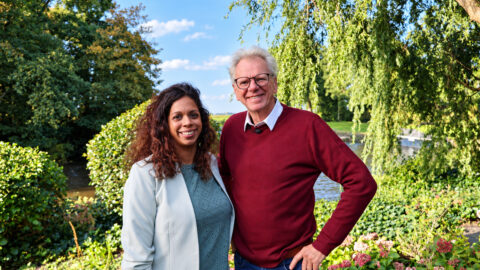
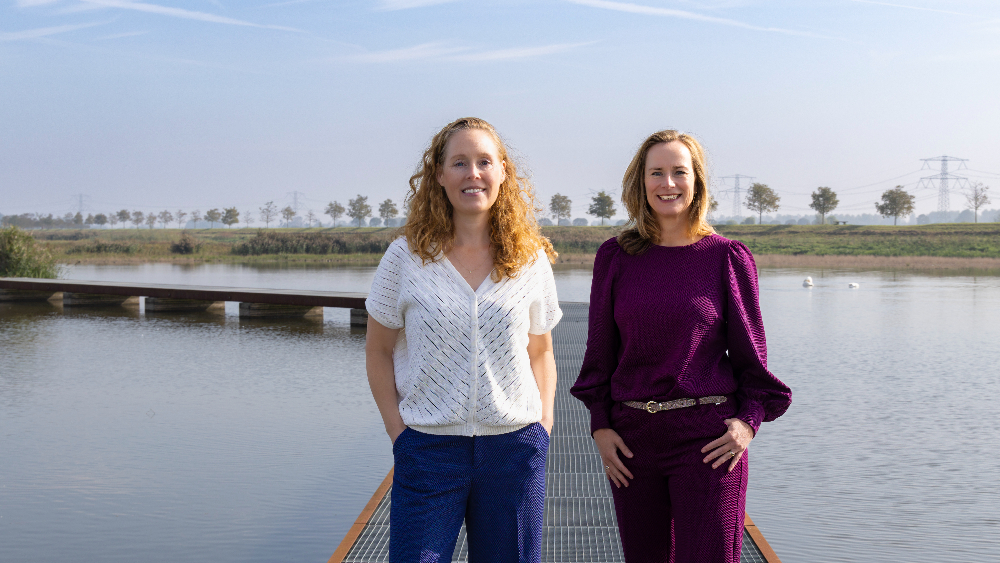
Combined, Inge Sijpkens and Sascha Murk have spent over forty years working in construction and engineering. During those years, they not only worked at and with many companies in the industry, but also interviewed many of them. For their books alone, they conducted more than 100 interviews. What they learned: in our “hard” industry, it’s actually the “soft” things that make the difference in how successful you are as a company—especially during a period of major change. Success starts from within.

This is an article from Construction and Installation Hub. Want to keep up with all the news from the construction and installation industry? Then take a look at the hub and sign up for the online community.
↗