If you’ve been trying over the past few years to advance digitization, data, standards, models, or transparency in the construction and urban development sectors, then this column is for you.
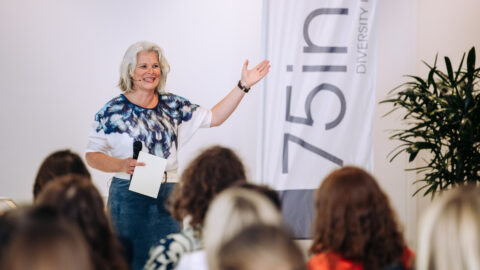
Even if you weren’t on stage. Even if you didn’t contribute to “the book,” #dankaandenerds.
Even if you were somewhere in a project team, working group, municipality, housing association, developer, consulting firm, software company, or trade association, slogging away at something that others initially thought: “Is this really necessary?”
Yes. This really had to be done.
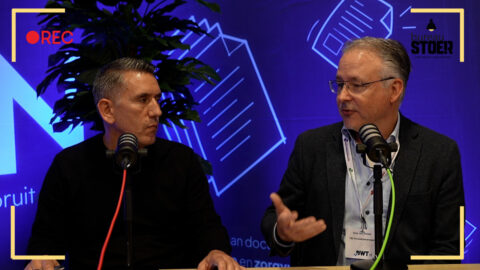
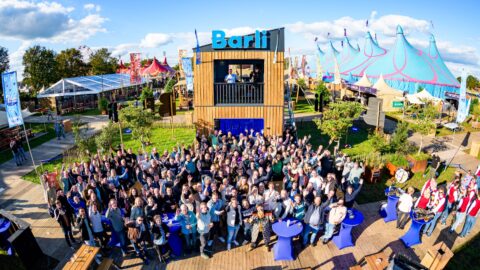
and last week at PROVADA, that became clearer than ever. We didn’t just tell feel-good stories there. Thankfully not. We also honestly admitted that digitization in construction and urban development is hard, painstaking work.
Aligning. Refining. Discussing definitions. Going back to the information needs. Explaining all over again why a field in a dataset isn’t a detail, but a decision. Why a standard isn’t a hobby, but an agreement. Why a common language isn’t a theoretical luxury, but the foundation for understanding each other in the first place.
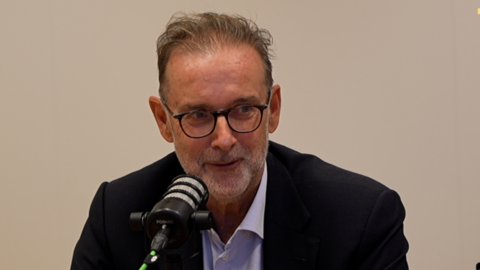
And those were exactly the words that stuck with us when we had the opportunity to present our book to the minister: a common language.
I really liked that.
The book #ThanksToTheNerds, written by VORM and VanWonen in collaboration with NEPROM and WoningBouwersNL, was written with a whole host of trailblazers at every level of the supply chain in mind.
People who helped shape the thinking.
People who put up a fight.
People who shared examples.
People who tested standards.
People who asked: “But what exactly do we mean by this?”
People who kept coming back to the uncomfortable point that without a common language, you can’t build trust.
And if you didn’t literally help write it, but have contributed to this movement in some way over the past few years, then this book is yours, too!
That’s important.
Because the book isn’t just about digitization. It’s about change management. About innovation. About leaders who need to take responsibility. About people who’ve been trying for years to push the sector forward while the rest sometimes still act as if it’s just an interesting supplement.
But the conversation has changed.
The tools are there.
The pioneers are here.
Standards are emerging.
The examples are right in front of us.
The sessions have been held.
The administrators have listened.
The directors have observed.
And even the minister has seen part of the system.
then the question is no longer whether this is important. The question is why not everyone is on board yet. That’s just plain strange.
Not because digitization is easy. It isn’t. Transparency is uncomfortable. Creating a common language is a slow process. Coordinating between developers, housing associations, investors, municipalities, notaries, designers, and software providers is sometimes like seven people trying to assemble an IKEA cabinet at the same time without a manual, while one person shouts that he has an even better definition of a screw.
But you know what’s much harder?
Keep dealing with unclear information.
Hidden assumptions.
Keep your cards close to your chest.
Keep making decisions based on documents, Excel spreadsheets, and interpretations that no one can say for sure represent the truth anymore.
A common language is a prerequisite for computers, but it’s essential for transparency and trust.
That’s why handing over that book didn’t feel like a victory for Pim. Not like a victory for VORM or Van Wonen. And not like a victory for any single organization, method, or standard either.
It felt like a victory for everyone who has been trying for years to explain that this is necessary.
For the trailblazers.
For the people who, time and again, have to explain within their own organizations why this isn’t extra work, but better work.
For the people who tell their executives, directors, municipalities, clients, or supply chain partners:
This isn’t just my story.
This is where the sector is headed.
This is what the ministry is looking at.
This is what we need to act on now.
So seize this moment.
Use that book. Take those sessions as examples. Use PROVADA to validate your work. Just like me, take the minister’s words to heart. Tap into the energy of the trade show—not to prove you were right, but to spark a conversation.
Because this isn’t about who came up with the idea.
It’s not about who has the best method.
It’s not about who has the best model.
This is the battle against ignorance. And you won’t win it by shouting louder from your own corner.
You win it by coordinating, explaining, sharing, and making things better.
Filing moment.
Anyone who still gets stuck saying , “Yes, but change management is challenging,” needs to be honest about what they’re actually saying. They’re not saying that the new method is challenging. They’re saying they’d rather stick with an existing method that we’ve known for a long time is inadequate.
Because if the housing crisis is truly urgent, if affordability is truly under pressure, if quality really needs to be safeguarded, and if sustainability and social impact are truly taken seriously, then you can’t keep talking as if transparency were a luxury. In that case, transparency is simply part of the job.
Pioneers: this is your moment.
The executives have taken notice.
The directors have listened.
The minister has endorsed the book.
Now we’re taking it to the next level.
This is your victory.
Make the most of it.
P.S. Did you know that the ministry screens your book first before it can be approved by the minister? So there’s NOTHING in it that they really DON’T agree with. Try explaining that to your director.
This is an article from Construction and Installation Hub. Want to keep up with all the news from the construction and installation industry? Then take a look at the hub and sign up for the online community.
↗