Our industry is changing rapidly. Digitalization, sustainability, labor shortages, mergers and acquisitions, and a new generation on the shop floor. We need to start working differently in this industry. But working differently requires more than just a new strategy or a different process. It requires a different mindset. It calls for different ways of collaborating, communicating, and leading. In short: it requires a different culture.
Last time , we wrote about that pen and lighter—the gift we were once sent home with by a management team that had absolutely no desire for change. Fortunately, that’s not the only story we know from twenty years in construction and engineering.
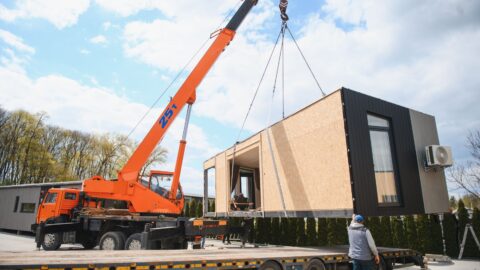
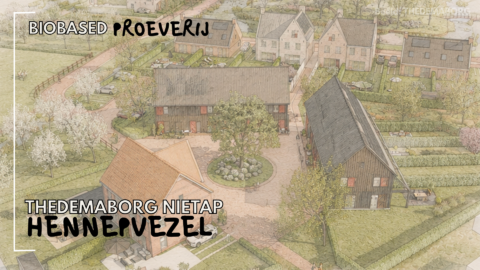
In fact, for our book *Building Culture Amid Change*, we collected dozens of stories from companies that did succeed. In this column, we share one such story every month. This time: Barli, a manufacturer of modular wooden homes in Uden.
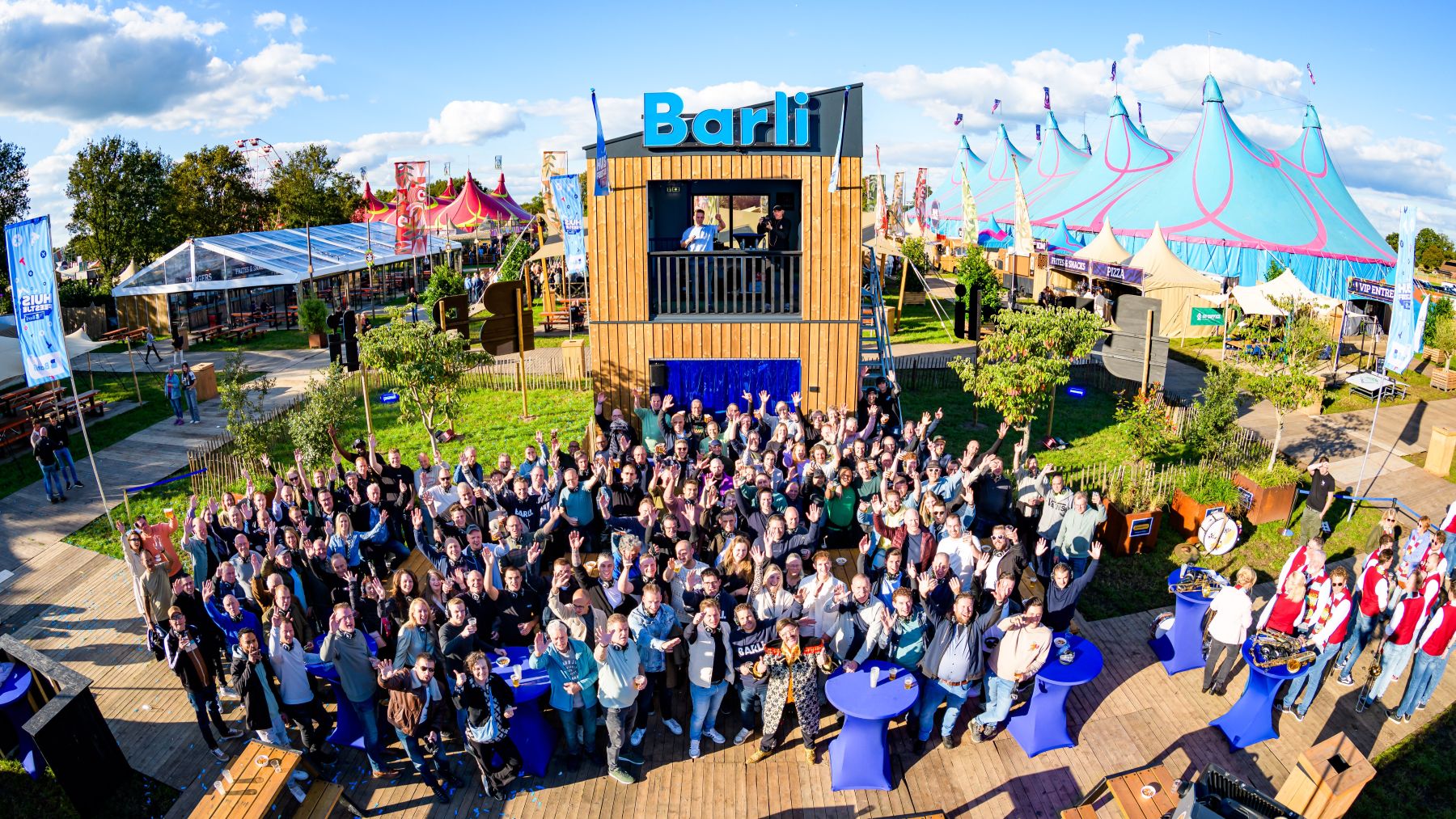
In five years, Barli grew from 40 to 250 employees—350 if you include the flexible workforce. That wasn’t just due to funding from the investment firm and the growing demand for modular wooden homes, say HR Director Katja van der Steen and Marketing Manager Twan Vrijsen. “It was also the cultural shift that drove our growth.”
From a construction company to charting our own course
For years, Barli was part of a traditional construction company. “A fairly insular and homogeneous culture,” say Katja and Twan. “Hierarchical, with an ‘old boys’ network’ mentality and little room for bottom-up initiative.”
This increasingly clashed with reality: as a housing manufacturer, Barli works for housing cooperatives and project developers who demand open, flexible collaboration. In 2019, an investment firm acquired the company from its parent construction firm. “From that moment on, everything changed. We were able to do things our own way.”
Words Reflect Behavior
Management set a clear goal: to be an attractive employer. Not just as a nice-sounding phrase on the website, but as a strategic starting point. First, the fundamentals had to be right: employment terms and conditions, and good working conditions. Then came the core values, where Barli consciously chose what to keep and what to let go of.
“Trust and that family-like atmosphere—those were the things we specifically wanted to preserve from the old culture,” says Twan. “What did change, though, was that we wanted an open, innovative, and diverse culture where people feel valued. Because when employees feel free to come up with ideas, they’re most valuable to you as an employer.”
Those words weren’t just empty promises. Katja: “If we want to be an open organization where no one goes unnoticed, it starts right at the front door.” Literally: the reception desk personally welcomes everyone. If a colleague hears that someone is getting married over the weekend, a bouquet of flowers is sent their way. “It’s precisely those little things that are so important.”
Recognize, acknowledge, take action
Not everything went smoothly. A recurring theme: how do you deal with behavior that no longer fits the new culture? Katja cites the example of sexist jokes in the workplace. “We started a conversation about that. Always with respect, sometimes with humor: ‘Do you understand how that might come across to someone else?’ Most of the time, it turned out not to be intended that way—but you still have to have that conversation.”
There was also room for criticism: some men felt that they were “always blamed” when something went wrong. Management listened to that as well, without reversing the change. “We understand that we’re in a transition; we understand that we make mistakes. We’re doing our best.”
Training sessions helped define the new desired behaviors and get the conversation started.
A Different Kind of Leadership
Cultural change requires leaders who lead by example—and sometimes it requires different leaders. Katja, who has been a member of the executive team herself since 2021: “Some executive team members no longer felt comfortable with the new way of working. Leading 40 people is very different from leading 250. That was difficult, but necessary.”
What Katja and Twan want to make clear: change is never a straight line upward. “We’re growing so fast right now that we’ve almost lost control of our processes. There are also people who are leaving because they don’t enjoy it anymore. Growth is always the sum of the pros and cons.”
Their advice to other companies is therefore down-to-earth: “Don’t treat culture as a gimmick—be sincere about it. Culture isn’t an end in itself; it’s a prerequisite for your growth ambitions.”
From the inside out
What appeals to us about Barli’s story is that cultural change here didn’t start with core values on a poster, but with a strategic decision. They wanted to be an attractive employer and then continually asked themselves: what kind of behavior goes along with that?
You can see that reflected in the big decisions—such as a change in leadership—but also in the small, everyday habits. A personal greeting at the front desk. A bouquet of flowers for a colleague who’s getting married. These may seem like small gestures, but they tell employees: you matter. And that is culture.
At the same time, Barli shows that cultural change isn’t a smooth-sailing success story. There were discussions about inappropriate behavior. Some managers left the company. And even now, amid rapid growth, they’re facing new challenges. That’s precisely why we find this such a powerful example. Culture isn’t a project with an end date, but something an organization continuously builds upon.
You’ve read the short version of the interview with Barli, as published in the book *Building Culture in Times of Change*: www.bouwenaancultuur.nl
About “From the Inside Out”
Combined, Inge Sijpkens and Sascha Murk have spent over forty years working in construction and engineering. During those years, they not only worked at and with many companies in the industry, but also interviewed many of them. For their books alone, they conducted more than 100 interviews. What they learned: in our “hard” industry, it’s actually the “soft” things that make the difference in how successful you are as a company—especially during a period of major change. Success starts from within.
This is an article from Construction and Installation Hub. Want to keep up with all the news from the construction and installation industry? Then take a look at the hub and sign up for the online community.
↗